

How Peachtree City’s Master-Planned Village Concept Helps Support Strong Property Values
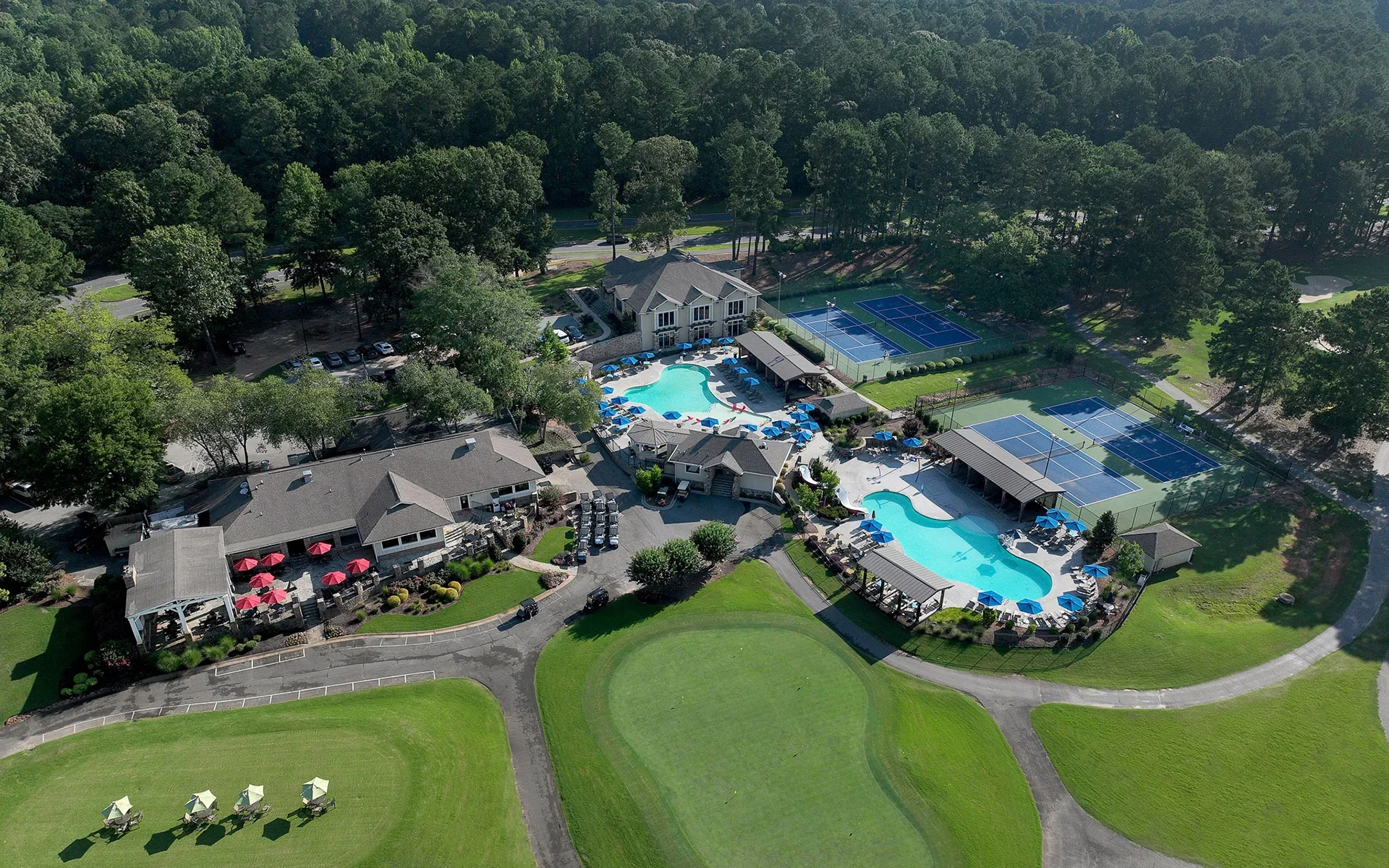
When buyers search for Peachtree City GA homes for sale, they often focus on the property itself: the number of bedrooms, kitchen updates, outdoor living space, and asking price. But there is another factor that can make a significant difference in a home’s appeal: the community surrounding it.
Peachtree City, Georgia, was designed around a master-planned village concept that brings residential neighborhoods together with shopping, schools, recreation, green space, and a distinctive network of shared-use paths. Rather than growing solely through disconnected subdivisions, the city developed around a broader vision for how residents could live, travel, and interact.
That planning philosophy remains part of Peachtree City’s identity today. The city’s more than 100-mile shared-use path network connects neighborhoods with retail centers, schools, parks, medical facilities, recreation areas, and lakes. Its established villages provide recognizable residential areas within a connected community.
These features help explain why many buyers consider Peachtree City when comparing places to live in the Atlanta metropolitan area.
But does the village concept actually keep property values strong?
The answer requires a closer look. Thoughtful planning does not guarantee rising home prices, and real estate values still depend on interest rates, supply and demand, property condition, location, and broader economic conditions. However, a well-connected community with useful amenities, established neighborhoods, and a distinctive lifestyle can help sustain buyer interest over time.
In this guide, we’ll explore how Peachtree City’s master plan influences its residential appeal, what that may mean for property values, and how buyers and sellers can use these insights when making real estate decisions.
1. What Is Peachtree City’s Master-Planned Village Concept?
Peachtree City was chartered on March 9, 1959, following the assembly of more than 12,000 acres in Fayette County for a planned residential community. According to the city’s official history, the original vision divided the community into villages, each intended to include nearby shopping, recreational facilities, and elementary schools.
The concept was designed to create more than a collection of houses. It aimed to organize residential life around accessible services and shared community amenities.
Today, the city identifies five established villages:
Aberdeen
Braelinn
Glenloch
Kedron
Wilksmoor
Each area contributes to Peachtree City’s broader residential landscape, with different neighborhoods, housing styles, commercial destinations, and recreational options.
You can learn more through the City of Peachtree City’s official history and its historical planning documents.
Why This Planning Approach Is Different
In many suburban communities, residential developments, shopping centers, and recreational facilities are built at different times with limited connections between them. Residents may need to drive for nearly every daily activity.
Peachtree City’s village concept takes a more coordinated approach. Residential areas are connected to commercial destinations and community facilities, while shared-use paths and green corridors provide additional connections between different parts of the city.
The result is a community where the surrounding environment can be an important part of a property's appeal.
For a prospective buyer, that may mean considering more than the house itself. The distance to a grocery store, access to a path, nearby parks, neighborhood character, and the convenience of reaching everyday destinations may all influence whether a property feels like the right fit.
Real estate takeaway: The village concept does not guarantee a particular sale price, but it helps create the community identity and amenity network that buyers often consider when comparing Peachtree City homes.
2. How the Village Concept Can Support Property Values
A master plan does not automatically make homes more expensive. Its potential value comes from how effectively the plan supports everyday life and how buyers respond to those benefits.
In Peachtree City, several aspects of the original design may help maintain residential appeal.
A. Convenient Access to Everyday Amenities
When homes are connected to shopping, schools, parks, and recreation, residents may have more options for managing daily routines.
That convenience can be attractive to a variety of buyers, including households with children, professionals commuting to work, retirees seeking recreation, and people who appreciate having services within a manageable distance.
For example, a home with convenient path access to a shopping area may appeal to someone who values golf-cart travel. Another buyer may prioritize a neighborhood near parks or schools.
These preferences can broaden the pool of potential buyers for properties that meet specific lifestyle needs.
Of course, convenience varies by address. Not every home in Peachtree City is equally close to every amenity, so buyers should evaluate the individual property rather than assuming the entire city offers the same level of access.
B. A Recognizable Community Identity
Peachtree City has a distinct identity built around its villages, golf-cart culture, green spaces, and recreational opportunities.
That identity can make the city easier for prospective residents to understand and distinguish from other suburban markets around Atlanta.
Buyers searching for a place where they can combine residential living with outdoor recreation may specifically seek out Peachtree City because of these characteristics.
When a community has an identifiable lifestyle and established amenities, it can remain appealing to buyers even as individual housing preferences change.
C. Established Neighborhoods and Infrastructure
Many Peachtree City neighborhoods have mature landscaping, established streets, and access to long-standing community infrastructure.
For some buyers, these features offer an alternative to newer developments where landscaping is still growing or nearby commercial services are still being established.
However, established neighborhoods can also contain older homes that need substantial maintenance. A mature tree canopy or established street layout does not compensate for deferred repairs, outdated systems, or an unsuitable floor plan.
The strongest property value proposition combines neighborhood appeal with a well-maintained home in a desirable location.
D. Recreation and Outdoor Access
Parks, lakes, trails, golf courses, and other recreational amenities can contribute to a community's appeal.
Peachtree City's shared-use paths are particularly distinctive because they serve both recreational and transportation purposes. Residents can walk, cycle, or use permitted motorized carts along designated routes.
The city's Shared-Use Path System page explains how the network connects residential neighborhoods with shopping, schools, medical facilities, recreation centers, and lakes.
For buyers who value outdoor access, these connections can be a meaningful reason to consider a home in Peachtree City.
3. The Golf Cart Path Network: A Signature Community Asset
Few features are as closely associated with Peachtree City as its shared-use paths and golf-cart culture.
The city reports a network of more than 100 miles of paths. This system helps connect residential areas to destinations that might otherwise require a car trip.
For homebuyers, the network creates several potential advantages.
More Ways to Reach Local Destinations
Depending on the property and route, residents may be able to travel by golf cart, bicycle, or on foot to selected shopping areas, schools, parks, and recreation facilities.
This can add flexibility to daily life and give certain neighborhoods a lifestyle advantage over communities where destinations are separated by major roads or require driving.
Recreation Built Into Everyday Living
The path system is also used for walking, running, cycling, and other outdoor activities.
Buyers who enjoy spending time outside may appreciate having access to a connected trail network without needing to drive to a separate recreational destination.
A Differentiating Feature for Home Marketing
When selling a home, practical access to the path system may be a useful marketing feature—provided the listing accurately describes the route and its destinations.
For example, a seller might highlight a nearby path connection, access to a recreation facility, or a convenient route to a shopping center.
However, sellers should avoid implying that every destination is directly accessible from the property. Buyers should review the city's current path map and confirm that the route is suitable for their intended use.
Why this matters for values: A distinctive transportation and recreation network can help differentiate Peachtree City from competing markets. That differentiation may support buyer interest, although its effect on any particular home's price must be assessed through comparable sales.
4. Green Space, Lakes, and Neighborhood Character
Another important aspect of Peachtree City's planning philosophy is the integration of green space and recreation into the residential environment.
The city's three major lakes—Lake Peachtree, Lake Kedron, and Lake McIntosh—are recognizable features of the community. Parks, wooded areas, and green corridors also contribute to its overall character.
These features can matter to buyers who prefer neighborhoods with outdoor recreation and natural scenery nearby.
Why Green Space Can Influence Buyer Appeal
Green space may provide opportunities for walking, exercise, family outings, and time outdoors. It can also create visual separation between different areas of the community.
For some homebuyers, the appeal is practical: a nearby park makes it easier to plan outdoor activities. For others, it is aesthetic: mature trees, landscaped streets, and nearby natural areas contribute to the feel of a neighborhood.
Properties near specific amenities may attract buyers who prioritize those features, but proximity does not guarantee a price premium. A home's value still depends on comparable sales, condition, lot characteristics, and buyer demand.
What Buyers Should Evaluate
If green space is a major reason you are considering Peachtree City GA real estate, examine the details of each property.
Ask:
Is the nearby green space publicly accessible or privately maintained?
Does the property have a convenient path connection?
Are there views, privacy benefits, or potential noise concerns?
What maintenance responsibilities apply to the lot?
Are there drainage or flood-related considerations?
Could future development affect the surrounding area?
A home beside a park, lake, or green corridor may offer an appealing setting, but buyers should understand the property's exact relationship to the amenity before making an offer.
5. Village Centers and Everyday Convenience
The village concept was intended to bring residential areas together with shopping and other community services.
Today, Peachtree City residents have access to a variety of retail and commercial destinations, restaurants, offices, and recreation facilities across the city.
The practical benefit is that different parts of the community can serve as hubs for everyday activities rather than requiring residents to travel to one central commercial district for everything.
How This Affects Homebuyers
When comparing Peachtree City neighborhoods, buyers should consider how the location supports their regular routine.
For one household, the priority may be grocery shopping and restaurants. Another may place greater importance on schools, healthcare, or access to a workplace.
A home that is well-positioned for a buyer's daily needs may be more appealing than a similar property that requires longer or more complicated trips.
That convenience can influence demand, but it is important not to assume that every village or village center has identical services. Commercial offerings evolve, and specific routes and travel times vary.
The city's official About Peachtree City page provides an overview of the community and its planned development.
6. What Do Peachtree City Home Prices Tell Us?
To understand whether Peachtree City's planning approach is reflected in today's market, it helps to examine current housing data.
According to Realtor.com's September 2026 Peachtree City market snapshot, the citywide market reported:
Market indicatorSeptember 2026Median listing price$649,000Median sold price$629,750Median price per square foot$230Active listings216Median days on market66 daysYear-over-year change in median listing price+3.07%Year-over-year change in median sold price+10%
Source: Realtor.com Peachtree City housing market.
These figures provide a useful snapshot of asking prices, completed sales, and market activity. They are not a guarantee of future appreciation, and they should not be interpreted as proof that the village concept alone caused price changes.
What the Numbers Mean for Buyers
The difference between median listing and sold prices illustrates why buyers should distinguish between what sellers ask and what buyers actually pay.
The number of active listings and the time homes spend on the market can also help buyers understand the competition they face. Still, a citywide median can conceal substantial differences among neighborhoods, property types, and price ranges.
If you are searching for Peachtree City GA homes for sale, compare properties with similar:
Square footage and bedroom count.
Age and overall condition.
Lot size and outdoor features.
Neighborhood location.
Access to paths, parks, shopping, or golf.
Renovation quality and major-system updates.
What the Numbers Mean for Sellers
Sellers should avoid pricing a home based solely on a citywide median or the belief that Peachtree City's reputation guarantees strong demand.
A property-specific comparative market analysis can help establish a realistic asking price using recent sales, active competition, and the home's unique characteristics.
A well-maintained property in a sought-after location may attract strong interest, but overpricing can still reduce buyer activity and extend the time required to sell.
7. Which Peachtree City Villages Should Buyers Explore?
Peachtree City has five established village areas, each with its own residential options and surrounding amenities. The right fit depends on your budget, home preferences, and daily routine.
Aberdeen
Aberdeen is one of Peachtree City's established village areas. Buyers may find a mix of residential settings and access to the wider community's amenities. Review each property's condition, neighborhood features, and path access to determine whether it suits your needs.
Braelinn
Braelinn is an established residential area associated with golf, recreation, and neighborhood amenities. Buyers interested in golf-oriented living should compare the specific property, nearby facilities, and any applicable club or association costs.
Glenloch
Glenloch offers another option for buyers exploring established Peachtree City neighborhoods. Compare the available housing styles, lot characteristics, access to local destinations, and recent comparable sales.
Kedron
Kedron is a recognized village area with access to Peachtree City's broader network of shopping, recreation, and shared-use paths. Buyers should assess how well each property's location aligns with their commuting and lifestyle priorities.
Wilksmoor
Wilksmoor is another village area to consider when exploring Peachtree City homes. Available homes and features vary, so compare current listings and recent sales rather than assuming the entire area has one price range or housing style.
These village names are useful starting points, not rankings. Neighborhoods can contain a range of properties, and no single village is automatically the best choice for every buyer.
8. Does Master Planning Guarantee Strong Property Values?
No. This distinction is important for both buyers and sellers.
A thoughtful master plan can help establish a community's character and connect residents to amenities, but real estate prices are influenced by many factors outside a city's original design.
These include:
Mortgage interest rates and affordability.
Local employment and household income.
The number of homes available for sale.
New construction and competing developments.
Home condition, renovations, and maintenance.
Insurance premiums, property taxes, and ownership costs.
School assignments and changing buyer preferences.
Broader economic conditions.
Even in a popular community, some homes appreciate more slowly than others. A property may face challenges if it needs substantial repairs, is poorly priced, or has features that limit its appeal to buyers.
The village concept is best understood as one component of Peachtree City's long-term desirability—not a guarantee of appreciation.
What About Future Development?
Peachtree City continues to evaluate how the community should grow and adapt. The city adopted its 2022 Comprehensive Plan update in August 2022 and reviews its comprehensive plan periodically.
The plan discusses the village concept, village centers, land-use patterns, and community priorities. It also reflects the need to preserve valued characteristics while adapting to future needs.
Review the City of Peachtree City's Comprehensive Plan page when researching planning policies and future development considerations.
For buyers, staying informed about local planning can help identify changes that may affect access, traffic, land use, or neighborhood character. Any potential effect on a property's value should be evaluated on a case-by-case basis.
9. How Buyers Can Use the Village Concept to Make a Smarter Purchase
If you are moving to Peachtree City GA, the village concept can help organize your home search around more than square footage and price.
Start by identifying the features that matter most to your household.
Step 1: Map Your Daily Routine
List your regular destinations, such as work, schools, grocery stores, medical providers, parks, and recreation facilities.
Then compare potential homes based on actual routes and travel times. If you want to use golf-cart paths, verify the connections and review current city rules.
Step 2: Compare Neighborhoods and Properties
Consider several neighborhoods rather than limiting your search to one village immediately.
Compare the home's condition, lot, layout, nearby amenities, and recent sales. A slightly less expensive home may require significant repairs, while a higher-priced property may offer features that better match your needs.
Step 3: Review Long-Term Ownership Costs
Consider property taxes, insurance, utility costs, maintenance, HOA assessments, and any optional club memberships.
A home with appealing surroundings can still be a poor financial fit if the total cost of ownership exceeds your budget.
Step 4: Examine Comparable Sales
Ask your real estate agent to review recent closed sales of similar homes in the same neighborhood or competing areas.
Pay particular attention to differences in condition, lot characteristics, renovations, and access to amenities. This is a better way to estimate market value than assuming every home benefits equally from the city's master plan.
10. How Sellers Can Market Peachtree City’s Community Advantages
If you own a home in Peachtree City, the village concept may provide useful context for your property's marketing story.
Buyers are often interested in how a home fits into their daily lives. An effective listing should explain relevant neighborhood features accurately and specifically.
Highlight Practical Benefits
If the property has convenient access to a shared-use path, nearby shopping, a park, or a recreation facility, explain the benefit clearly.
For example, mention a verified path connection or the nearby destinations it reaches. Avoid vague claims such as “close to everything” unless the listing provides meaningful detail.
Present the Property Honestly
Professional photography, thoughtful staging, accurate measurements, and a clear description of the home's condition can help buyers understand its value.
If the property has a golf course view, mature landscaping, or outdoor living space, highlight those features where appropriate. Be equally transparent about maintenance needs, restrictions, or other relevant property details.
Price Based on the Market
A popular city does not eliminate the need for careful pricing. Review recent closed sales, active competition, and current buyer demand before setting an asking price.
The goal is to position the property competitively while explaining the features that make it appealing.
For homeowners wondering how much their Peachtree City property is worth, a local comparative market analysis is a useful starting point.
Frequently Asked Questions About Peachtree City Property Values
Why is Peachtree City considered a master-planned community?
Peachtree City was developed around a village concept that connects residential neighborhoods with shopping, schools, recreation, and community facilities. Its shared-use path network is a major part of that design.
Does the village concept make Peachtree City homes more valuable?
The concept may support buyer interest by contributing to neighborhood identity, amenity access, and lifestyle convenience. However, it does not guarantee higher prices or appreciation for every property.
Which Peachtree City village has the highest home values?
There is no permanent answer. Home values vary by property type, condition, lot, location, and market conditions. Use recent comparable sales to compare specific homes and neighborhoods.
Are Peachtree City home prices expected to keep rising?
Future prices cannot be guaranteed. Market conditions depend on mortgage rates, supply, demand, employment, affordability, and property-specific factors. Buyers and sellers should review current data before making decisions.
Is Peachtree City a good place to invest in real estate?
It may suit buyers looking for an established community with distinctive amenities, but investment suitability depends on the purchase price, financing, expected rental income, maintenance, taxes, insurance, and long-term objectives. Evaluate each property on its own financial merits.
What should I look for when buying a home in Peachtree City?
Compare the property’s condition, location, recent sales, total ownership costs, access to amenities, school assignment if relevant, and the suitability of the neighborhood for your daily routine.
Conclusion: Peachtree City’s Master Plan Is Part of Its Real Estate Appeal
Peachtree City's master-planned village concept remains an important part of what distinguishes the community. Its established residential areas, connected path network, recreational opportunities, green spaces, and village centers help create a lifestyle that many buyers find appealing.
These characteristics can contribute to long-term buyer interest, but they do not guarantee that property values will always rise. The strongest real estate decisions combine an understanding of the community with careful analysis of the individual property and current market conditions.
Whether you are considering moving to Peachtree City, searching for a home near parks and shopping, or preparing to sell, understanding the relationship between neighborhood amenities and market value can help you make a more informed decision.
Need help buying or selling in Peachtree City, GA? The Tim Stout Group with eXp Realty can help you compare neighborhoods, evaluate recent sales, and build a strategy around your real estate goals. Whether you are searching for your next home or want to understand what your current property may be worth, our team is ready to help you navigate the local market.
Contact the Tim Stout Group today to discuss your next move in Peachtree City and the surrounding areas.
Tim Stout Group with eXp Realty
Phone: (678) 967-3367
Website: fayetteandcowetahomes.com
Email: tim@mybrokerage.com
