

The Cost of Living in Peachtree City: Property Taxes, HOA Fees, and Municipal Services
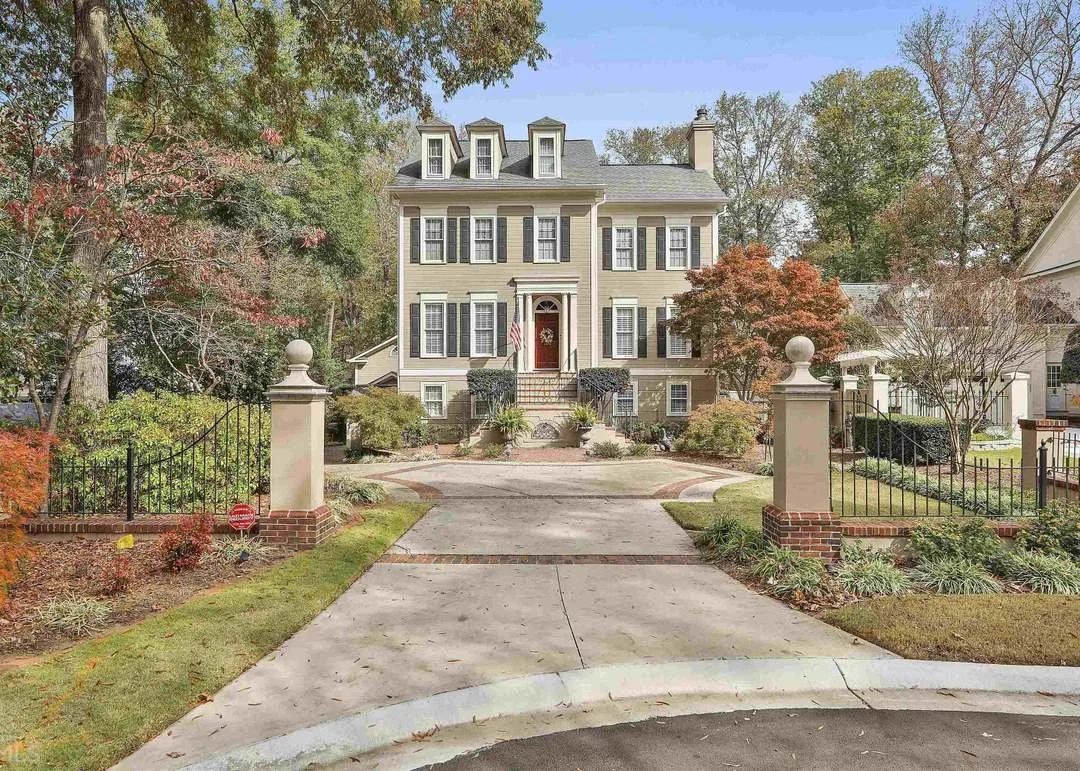
Thinking about moving to Peachtree City, GA? One of the first questions many homebuyers ask isn't just, "How much house can I afford?" It's also, "What will it cost to live there after I buy?"
Peachtree City consistently ranks among the most desirable communities in Metro Atlanta because of its excellent schools, beautiful neighborhoods, golf cart lifestyle, and exceptional quality of life. However, understanding the full cost of living—including property taxes, HOA fees, and municipal services—is an important part of making an informed decision.
If you're searching for Peachtree City GA homes for sale, here's a complete breakdown of the expenses that come with living in one of Georgia's most sought-after communities.
Why Buyers Are Choosing Peachtree City
Before diving into costs, it's important to understand why demand remains so strong.
People continue moving to Peachtree City GA because of its:
Highly rated schools
More than 100 miles of golf cart paths
Beautiful parks and green spaces
Strong property values
Family-friendly atmosphere
Convenient access to Atlanta and Hartsfield-Jackson Airport
Well-planned neighborhoods and amenities
For many buyers, the lifestyle justifies the costs associated with living here.
Understanding Property Taxes in Peachtree City
Property taxes are one of the largest ongoing expenses of homeownership.
Fortunately, compared to many major metropolitan areas across the country, Georgia's property taxes remain relatively reasonable.
Property tax bills are generally made up of several components, including:
Fayette County taxes
Peachtree City municipal taxes
School taxes
Other special assessments, if applicable
Your actual tax bill will vary depending on:
Purchase price
Assessed value
Eligibility for exemptions
Future millage rates
The Importance of the Homestead Exemption
Many primary homeowners in Georgia qualify for a Homestead Exemption, which can reduce taxable value and lower annual property taxes.
Buyers purchasing a primary residence should investigate:
Eligibility requirements
Application deadlines
Available local exemptions
A local real estate professional or tax advisor can help explain how these programs work.
Why Property Taxes Help Support the Community
Property taxes contribute to many of the services that make Peachtree City so desirable.
They help fund:
Public safety
Parks and recreation
Road maintenance
Community facilities
Municipal operations
Local infrastructure improvements
These investments play a major role in preserving the city's high quality of life and strong property values.
HOA Fees: What Buyers Should Expect
Another expense that varies from neighborhood to neighborhood is homeowners association dues.
Many of Peachtree City's most popular communities have HOAs, including:
Braelinn
Kedron
Planterra Ridge
St. Andrews
Wilksmoor Village
Aberdeen
Laurel Brooke
Towson Village
HOA fees can vary significantly depending on the community and the amenities offered.
What HOA Fees Typically Cover
Depending on the neighborhood, HOA fees may help pay for:
Community pools
Tennis courts
Clubhouses
Landscaping of common areas
Entrance maintenance
Walking trails
Security features
Neighborhood events
Some communities offer extensive amenities, while others maintain relatively low fees and limited services.
Why Many Buyers Appreciate HOA Communities
Some buyers initially hesitate when they hear the words "HOA fees."
However, many residents appreciate the benefits, including:
Well-maintained neighborhoods
Architectural consistency
Attractive common spaces
Higher curb appeal
Protection of long-term property values
The presence of an HOA often contributes to the overall appeal of Peachtree City's neighborhoods.
Municipal Services That Add Value
One reason the cost of living in Peachtree City is often viewed favorably is the quality of municipal services residents receive.
The city provides:
Excellent public safety services
Well-maintained roads
Exceptional parks
Extensive recreation programs
Community facilities
Beautiful public spaces
These services are part of what separates Peachtree City from many other suburbs.
The Famous Golf Cart Path System
Perhaps the city's most unique municipal amenity is its extensive golf cart path system.
With more than 100 miles of paths connecting neighborhoods, schools, parks, and shopping areas, residents enjoy a lifestyle that is difficult to find anywhere else.
The path system provides:
Recreational opportunities
Alternative transportation
Community connectivity
Reduced local driving
Maintaining this infrastructure requires investment, but many residents consider it one of the city's greatest assets.
Parks and Recreation Amenities
Peachtree City's parks and recreational facilities significantly enhance quality of life.
Residents enjoy access to:
Athletic complexes
Playgrounds
Nature areas
Lakes
Community centers
Sports programs
Walking trails
These amenities contribute to the city's strong reputation among families and retirees alike.
Utility Costs
Utility expenses vary depending on:
Home size
Age of construction
Energy efficiency
Usage habits
Newer homes often offer:
Better insulation
Energy-efficient windows
Updated HVAC systems
which can help reduce monthly utility expenses.
Golf Cart Ownership Costs
Many new residents eventually purchase a golf cart.
Potential expenses include:
Initial purchase price
Insurance
Maintenance
Battery replacement
Registration requirements
While owning a golf cart isn't necessary, many residents find it becomes an important part of daily life.
How Peachtree City Compares to Other Atlanta Suburbs
Compared to many North Atlanta communities, Peachtree City often offers:
More space
Lower congestion
Excellent schools
Strong community amenities
Exceptional recreational opportunities
While home prices can be higher than some neighboring markets, many buyers believe the lifestyle benefits more than justify the costs.
Why Homes Continue to Hold Their Value
One reason buyers remain confident in Peachtree City real estate is the community's long-term stability.
Factors supporting home values include:
Careful planning
Strong schools
Limited land availability
Excellent amenities
Consistent buyer demand
High quality of life
The combination of services and community planning continues to make Peachtree City one of Metro Atlanta's strongest housing markets.
Questions Buyers Should Ask
Before purchasing a home, it's important to ask:
What are the current property taxes?
Does the home qualify for Homestead Exemption?
Are there HOA fees?
What amenities are included?
Are there additional assessments?
What municipal services are available?
Understanding these costs upfront helps buyers budget confidently.
Final Thoughts
The cost of living in Peachtree City goes beyond a mortgage payment. Property taxes, HOA fees, and municipal services all play a role in the total cost of homeownership.
However, these expenses also help support the amenities and lifestyle that have made Peachtree City one of Georgia's most desirable places to live.
From top-rated schools and beautiful parks to golf cart paths and exceptional community services, many residents find that the value they receive far outweighs the additional costs.
For buyers considering a move to Fayette County, understanding the complete financial picture is the first step toward making an informed and confident decision.
Thinking About Moving to Peachtree City, GA?
Want help understanding the true cost of living in Peachtree City or comparing neighborhoods throughout Fayette County?
Contact us here:
https://www.peachtreecityga.com/contact
The Tim Stout Group with eXp Realty is here to help you buy and sell homes in Peachtree City, Newnan, Senoia, and surrounding communities.
🌐 https://www.fayetteandcowetahomes.com
Have questions? Contact us today and trust the local real estate experts serving Peachtree City and surrounding areas.
